Vernalization / Cold Treatment Room
Vernalization / Cold Treatment Rooms are controlled environment systems designed to simulate low-temperature conditions required for breaking dormancy, inducing flowering, and regulating plant developmental cycles.
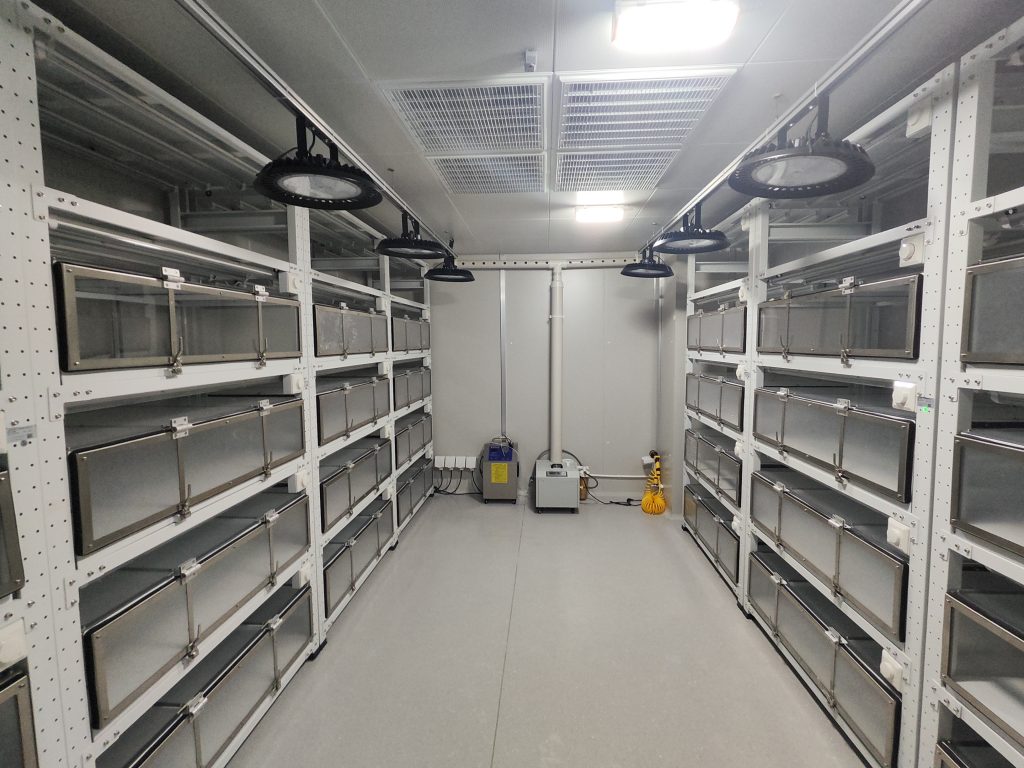
Key Features & Control Capabilities
1. Stable low-temperature control for vernalization processes (±1.5°C)
2. Wide temperature range supporting different crop requirements
3. Uniform airflow ensuring consistent exposure across all plants
4. Programmable duration control for cold treatment cycles
5. Integrated lighting (optional) for specific crop requirements
6. Controlled humidity environment to prevent desiccation (±5% RH)
7. Full environmental monitoring and data logging
8. PLC-based control system with high operational reliability
9. Optional remote monitoring and alarm system
Technical Specifications
| Parameter | Specification | Parameter | Specification |
| Temp. Range | -5–40°C | Temp. Accuracy | ±1.5°C |
| Humidity Range | 50–85% RH | Humidity Accuracy | ±5% RH |
| Light Intensity | Optional (0–200 μmol/m²·s) | Photoperiod | Optional / programmable |
| Airflow Design | Uniform low-temperature airflow | Control System | PLC + Touchscreen |
| Data Logging | Standard / Exportable | Room Size | Standard size of room (modular scalable) |
| Rack System | Standard size of racks (multi-layer optional) | ||
Suitable Applications
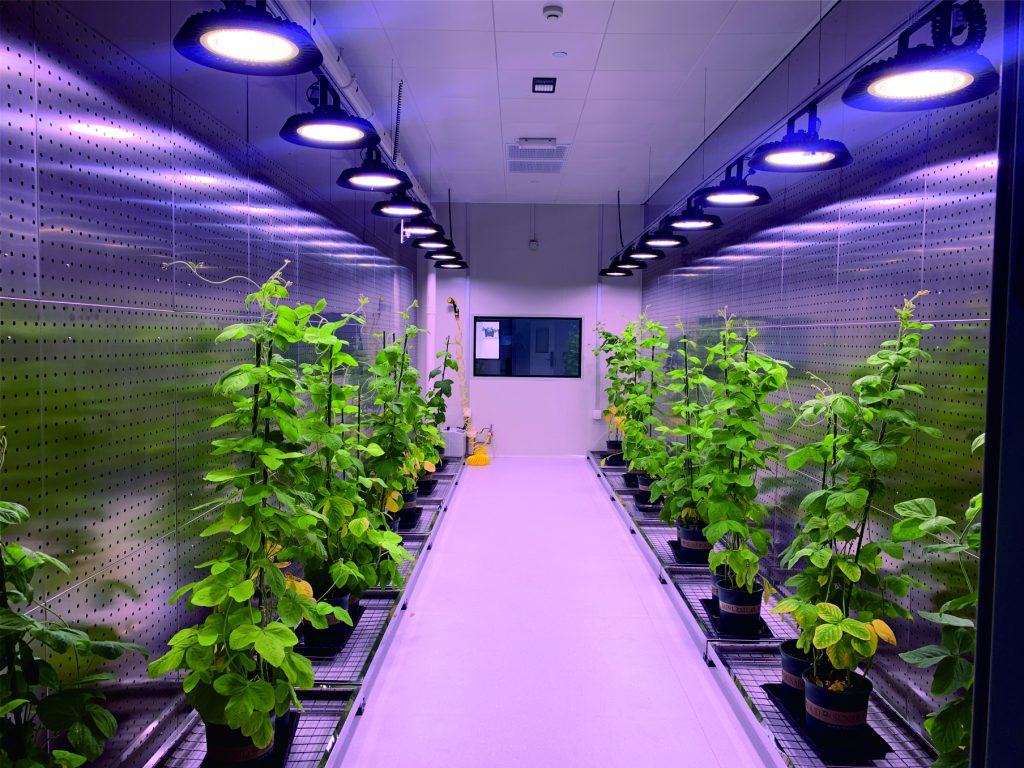
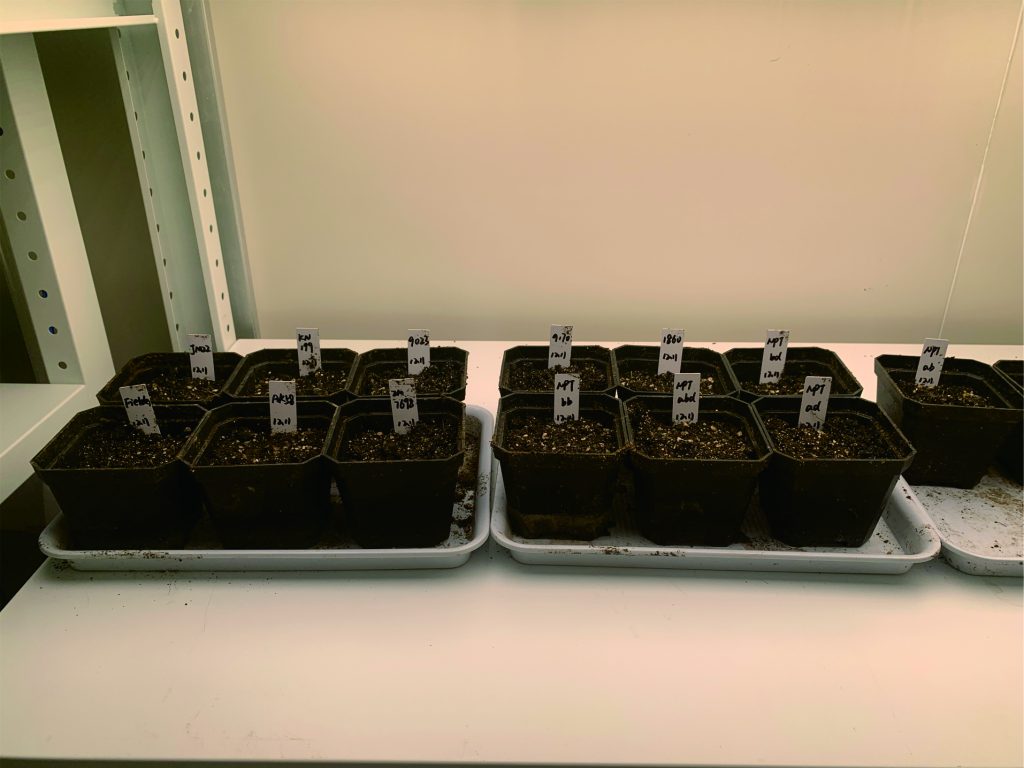
Some Details
Modular System Configuration
These systems are built using a standardized modular architecture adapted for insect research:
M1 – Environmental Control & Airflow
Stable control of temperature and humidity tailored to insect species and lifecycle requirements.
M2 – Lighting & Photoperiod
Programmable light cycles to regulate insect circadian rhythms and reproductive behavior.
M3 – Cultivation & Rack Utilization
Standard size of racks adapted for insect cages, containers, and rearing systems.
M4 – Monitoring, Logging & Traceability
Continuous environmental monitoring and data logging for experimental reproducibility.
M5 – Biosecurity & Containment (Core Module)
Controlled airflow, sealed environment, and access management to prevent insect escape and cross-contamination.
M6 – Structural & Thermal Envelope
Sealed insulated structure supporting environmental stability and containment.
M7 – Power Redundancy & Reliability (Optional)
Backup systems to ensure continuous operation for sensitive insect populations.
M8 – Scalability & Upgrade Interface
Insect Lifecycle Control & Research Capability
Insect Rearing Rooms enable precise control over insect development and population dynamics:
- Controlled breeding and colony maintenance
- Regulation of lifecycle stages (egg, larva, pupa, adult)
- Stable environmental conditions for reproducible experiments
- Multi-generation studies under consistent parameters
These capabilities are critical for pest management research, biological control programs, and agricultural ecosystem studies.
Containment & Biosecurity Considerations
These systems are designed to support controlled and secure insect research environments:
- Physical containment to prevent insect escape
- Controlled airflow and sealed structure
- Optional double-door or airlock entry systems
- Support for institutional biosafety practices
- Reduced risk of cross-contamination between species or experiments
Part of These Solutions
This system is part of:
- Controlled Environment Solutions for Scientific Research
- Germplasm Conservation & Biosecurity Facilities
Installation / Support / Compliance
- Global installation support and remote commissioning
- Standardized modular system for predictable deployment
- CE / ISO compliant components
- Technical support for entomology workflows
- Long-term maintenance and after-sales service