
Plant Pathology & Disease Testing Facilities
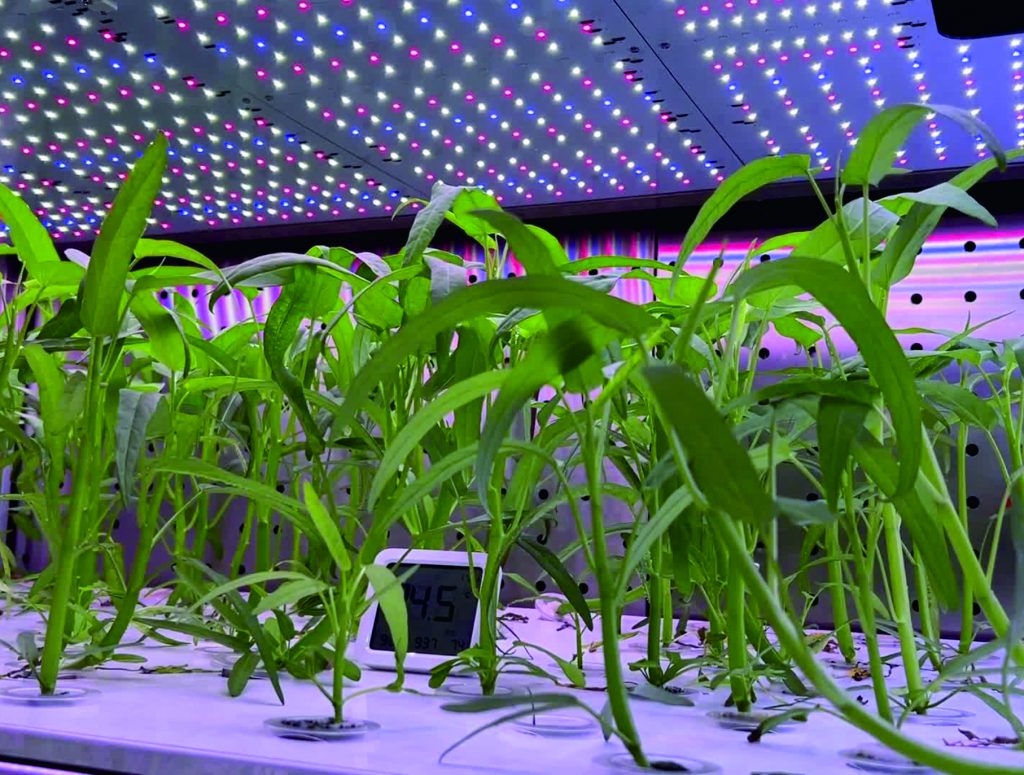
Plant pathology and disease testing applications require controlled environments where plants can be intentionally exposed to pathogens under safe, isolated, and precisely regulated conditions. These studies are traditionally conducted in plant pathology chambers, where temperature, humidity, airflow, and containment measures can be strictly controlled. Our walk-in plant pathology research rooms provide the same chamber-level isolation and environmental precision while allowing larger experimental setups and improved operational flexibility.
Why Controlled Disease Testing Is Essential
Plant disease development is highly influenced by temperature, humidity, light, and air movement. In uncontrolled environments, it is difficult to determine whether disease progression is caused by the pathogen itself or by fluctuating environmental conditions.
Controlled facilities allow researchers to:
1. Conduct repeatable infection experiments under identical conditions
2. Study pathogen behavior and disease progression accurately
3. Evaluate plant resistance to specific diseases
4. Test the effectiveness of treatments and protection strategies
Such precision is critical for reliable plant pathology studies.
How Plant Disease Experiments Are Conducted
In plant pathology research, plants are exposed to specific pathogens within an isolated environment where temperature, humidity, and airflow are tightly controlled. Environmental parameters are often adjusted to create favorable conditions for disease development, ensuring consistent infection across test samples.
This controlled exposure allows researchers to observe disease symptoms, infection rates, and plant responses without external interference.
Typical Research and Testing Scenarios
Controlled plant pathology facilities are widely used for:
Disease resistance screening in breeding programs
Pathogen-host interaction studies
Evaluation of fungicides and biological treatments
Simulation of epidemic conditions for research purposes
Quarantine and biosecurity-related plant testing
These scenarios require both environmental precision and biological containment.
Some Details
Environmental Conditions Commonly Controlled
Effective plant disease testing environments typically regulate:
- High humidity levels to promote pathogen activity
- Stable temperature conditions for consistent infection
- Controlled airflow to manage pathogen spread
- Adjustable light conditions depending on the study
Precise environmental control ensures uniform disease pressure across all test plants.
Facilities Commonly Used
Plant pathology and disease testing applications are commonly implemented using:
- Plant Pathology Research Rooms designed with isolation and containment features
- Stress Simulation Research Rooms configured to create disease-favorable environments
These facilities provide both environmental precision and biosafety protection.
From Uniform Seedlings to Reliable Production
Reliable disease testing data is fundamental for breeding resistant varieties, developing treatment methods, and improving plant protection strategies. Controlled environment facilities ensure that disease research results are consistent, safe, and scientifically valid.
Well-designed plant pathology facilities enable researchers to conduct complex disease studies with confidence and repeatability.