
Germplasm Conservation & Long-Term Storage
Germplasm conservation and long-term storage applications focus on preserving valuable genetic resources under stable, controlled, and secure environmental conditions. These facilities ensure that seeds, plant tissues, and other germplasm materials remain viable, traceable, and protected for future research, breeding, and food security needs.
Controlled environments are essential for maintaining the long-term integrity of genetic resources.
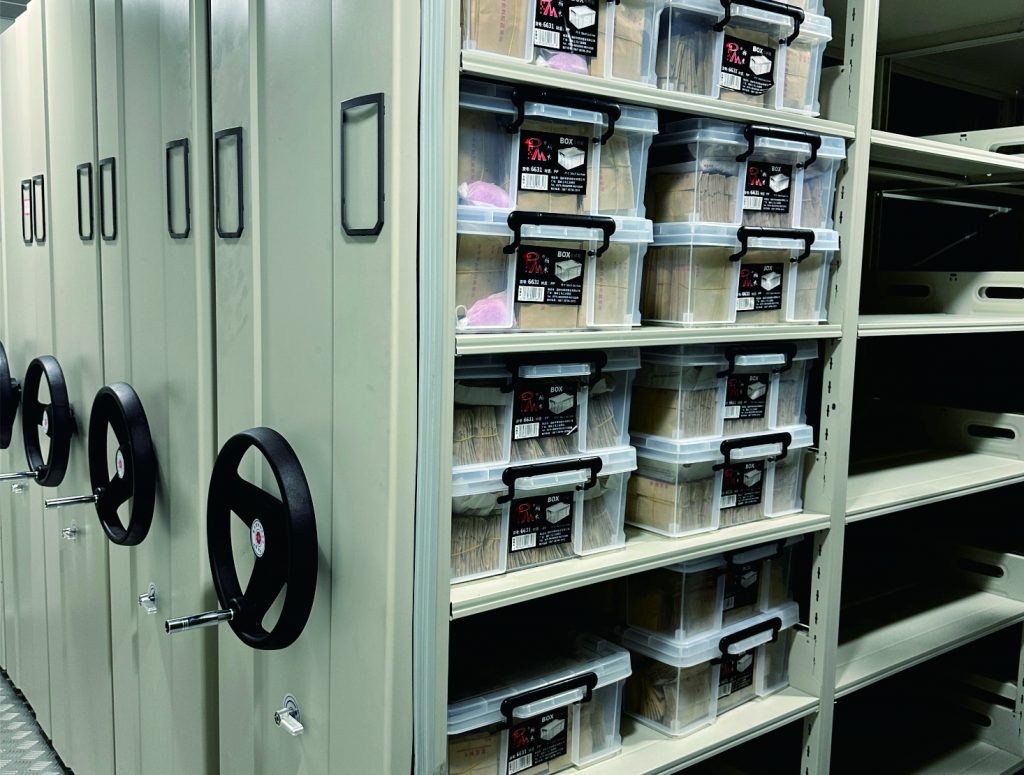
Why Controlled Germplasm Storage Is Essential
Genetic materials are highly sensitive to fluctuations in temperature, humidity, and light. Even small environmental changes over time can reduce seed viability, damage tissue cultures, or compromise genetic integrity.
Controlled germplasm storage facilities enable institutions to:
1. Preserve seed viability over extended periods
2. Maintain genetic stability and integrity
3. Protect valuable materials from environmental and biological risks
4. Ensure traceability and organized sample management
Such stability is critical for long-term genetic resource conservation.
How Germplasm Conservation Is Conducted
Germplasm materials are stored in environments where temperature and humidity are precisely maintained within defined ranges suited for long-term preservation. Storage conditions are designed to minimize metabolic activity and prevent deterioration over time.
These controlled conditions allow institutions to reliably maintain genetic materials for decades while ensuring they remain available for future use.
Typical Application Scenarios
Controlled germplasm conservation facilities are widely used for:
National and regional seed banks
Preservation of breeding lines and rare varieties
Long-term storage of research materials
Biosecurity and strategic agricultural reserves
Support of breeding and genetic research programs
These scenarios require both environmental precision and secure isolation.
Some Details
Environmental Conditions Commonly Controlled
Effective germplasm storage environments typically regulate:
- Low and stable temperature conditions
- Controlled relative humidity to prevent moisture damage
- Protection from light exposure
- Stable air conditions to avoid fluctuations
Such stability ensures long-term preservation of genetic resources.
Facilities Commonly Used
Germplasm conservation and long-term storage applications are commonly implemented using:
- Germplasm Conservation & Storage Facilities designed for precise environmental stability and sample organization
These facilities provide the security and environmental control required for reliable long-term preservation.
From Preservation to Future Utilization
Long-term germplasm conservation is fundamental to breeding, research, and food security strategies. By storing genetic materials in controlled environments, institutions ensure that valuable resources remain available, viable, and protected for future scientific and agricultural use.
Well-designed germplasm storage facilities provide the foundation for sustainable genetic resource management.