Plant Tissue Culture Room
Plant Tissue Culture Rooms are fully controlled microenvironment systems designed for sterile in vitro plant growth and micropropagation. Often referred to as tissue culture chambers at smaller scale, these walk-in systems provide precise regulation of temperature, humidity, light, and air cleanliness to minimize contamination and ensure consistent culture development.
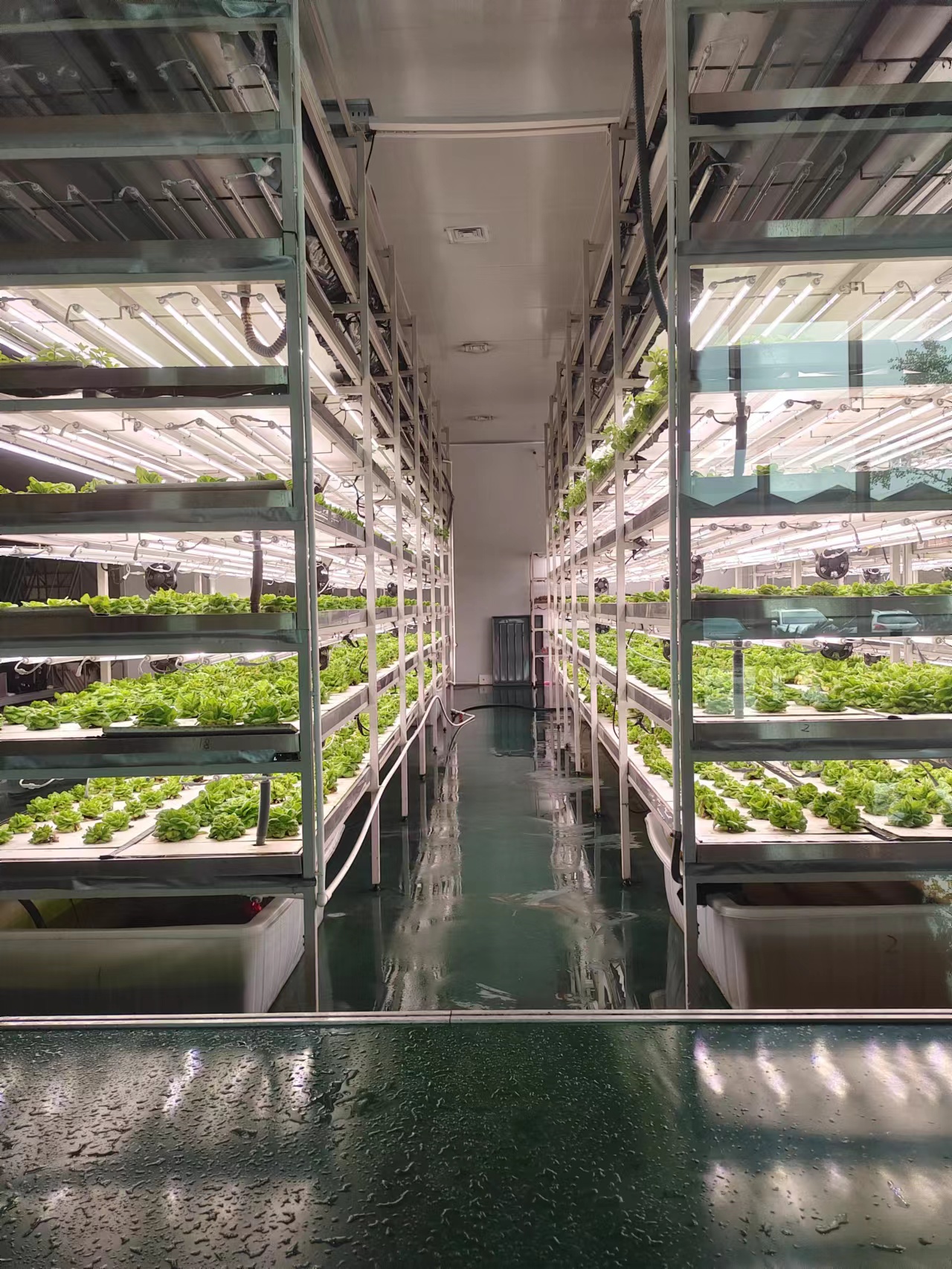
Key Features & Control Capabilities
1. Precision temperature control (±1.5°C) for optimal culture growth
2. Stable humidity control for pathogen growth conditions (±5% RH)
3. Programmable photoperiod and light intensity for photosynthetic optimization
4. High-efficiency HEPA filtration and laminar airflow for sterility
5. Positive-pressure design to prevent airborne contamination
6. Modular rack systems for flexible culture vessel arrangement
7. Integrated monitoring, logging, and traceability for research reproducibility
8. Optional remote monitoring and alarm systems
9. PLC-based control system with high reliability
Technical Specifications
| Parameter | Specification | Parameter | Specification |
| Temp. Range | 10–40°C | Temp. Accuracy | ±1.5°C |
| Humidity Range | 50–85% RH | Humidity Accuracy | ±5% RH |
| Light Intensity | 100–1,000 μmol/m²·s (PAR) | Photoperiod | 24-hour cycle setting programming |
| Airflow Design | Controlled airflow with filtration options | Pressure Control | Optional (negative / positive pressure) |
| Filtration System | HEPA optional | Control System | PLC + Touchscreen |
| Data Logging | Standard / Exportable | Room Size | Standard size of room (modular scalable) |
| Rack System | Standard size of racks (configurable layout) |
Suitable Applications
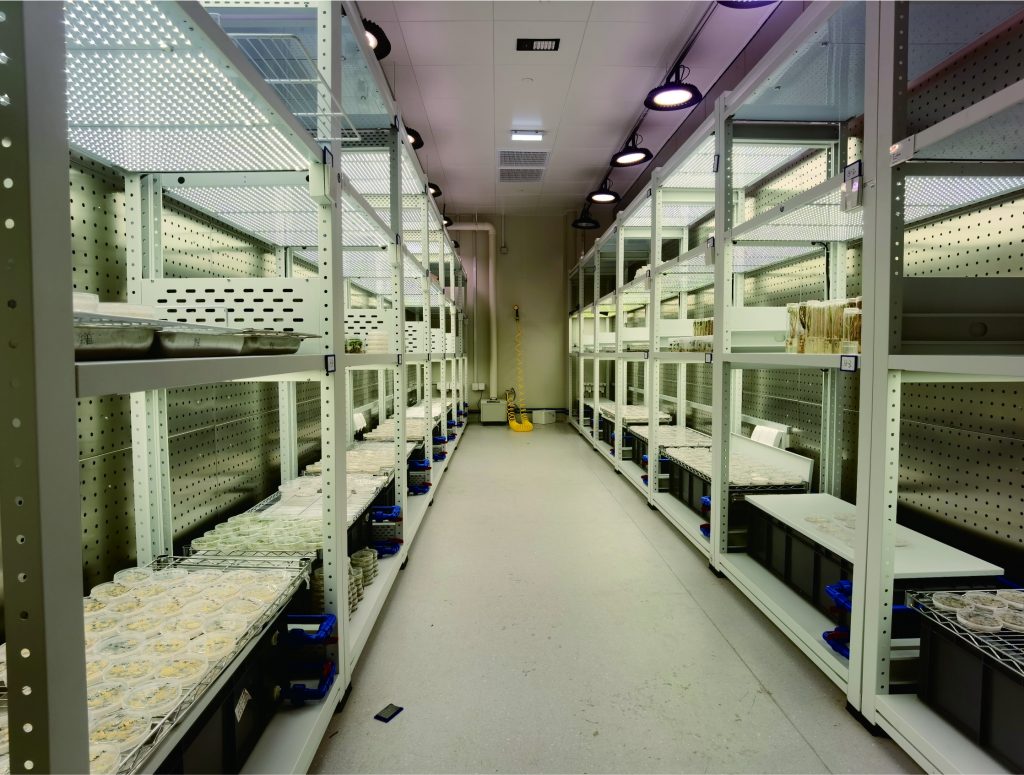
Some Details
Modular System Configuration
The modular architecture provides flexibility and standardization:
M1 – Environmental Control & Airflow
Precise temperature, humidity, and airflow control to maintain optimal in vitro culture conditions.
M2 – Lighting & Photoperiod
Programmable lighting to optimize photosynthesis and photomorphogenic responses in cultures.
M3 – Cultivation & Rack Utilization
Configurable racks and shelves for multiple culture vessels, trays, or microplates.
M4 – Monitoring, Logging & Traceability
Integrated sensors and software to track all environmental parameters and experimental data.
M5 – Biosecurity & Containment
HEPA-filtered laminar airflow, positive pressure, and controlled access to minimize contamination risk.
M6 – Structural & Thermal Envelope
Sealed, insulated room construction for stable and reproducible culture conditions.
M7 – Power Redundancy & Reliability
Optional backup power systems to prevent experiment loss during outages.
M8 – Scalability & Upgrade Interface
Expandable modules for future growth or integration with automated handling systems.
Cleanliness & Contamination Control
- HEPA-filtered laminar airflow ensures Class 1000/ISO 6 equivalent sterility
- Positive pressure prevents ingress of external contaminants
- Surfaces and materials selected for easy cleaning and sterilization
- Compatible with autoclave and sterilization workflows
- Supports SOP-driven laboratory practices for reproducibility
Research Value & Experimental Capability
- Reliable sterile micropropagation of plant tissue
- Controlled induction of organogenesis, callus culture, and somatic embryogenesis
- In vitro selection for stress tolerance, disease resistance, or growth traits
- Standardized experimental conditions for multi-site studies
Part of These Solutions
- Controlled Environment Solutions for Scientific Research
- Plant Tissue Culture & Controlled Microenvironment Facilities
Installation / Support / Compliance
- Modular design ensures predictable delivery and setup timelines
- Global installation support and commissioning services
- Compliance with CE / ISO / laboratory biosafety standards
- Long-term maintenance and monitoring support