Plant Pathology Research Room
Plant Pathology Research Rooms are biosecure controlled environment systems designed for safe, isolated, and reproducible plant disease testing and pathogen-related research.
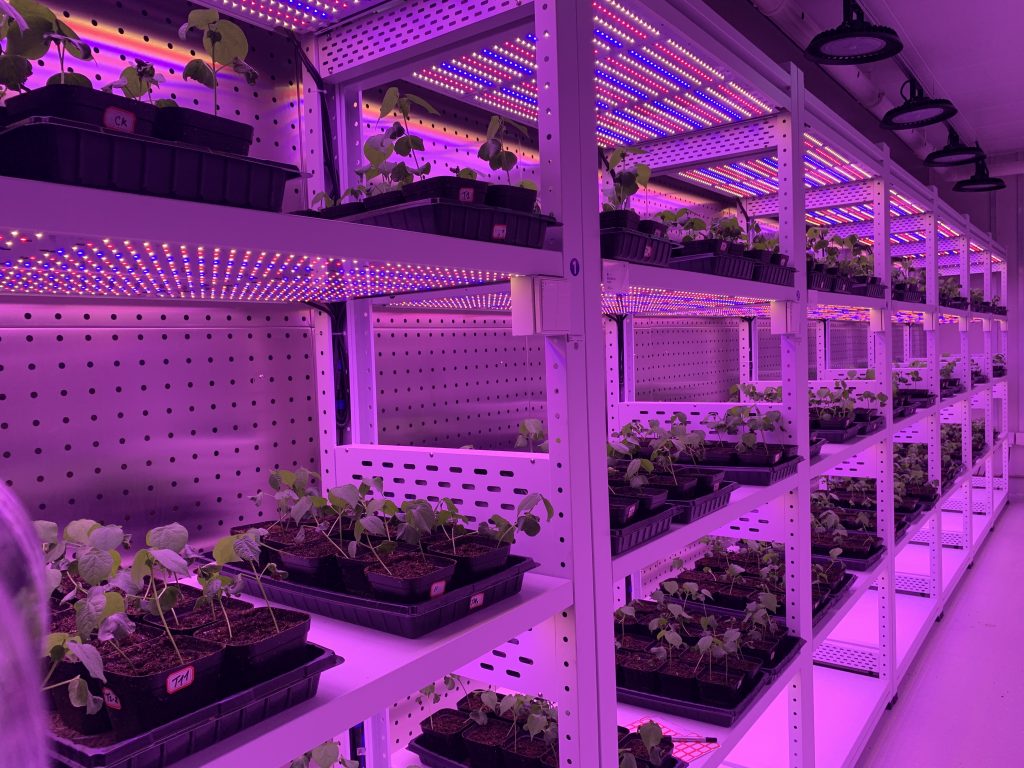
Key Features & Control Capabilities
1. Precise temperature control for disease development studies (±1.5°C)
2. Stable humidity control for pathogen growth conditions (±5% RH)
3. Programmable environmental settings for controlled infection cycles
4. Uniform airflow system minimizing environmental variation
5. High-efficiency air filtration system (HEPA optional)
6. Controlled pressure design (negative/positive pressure optional)
7. Biosecure access control and contamination prevention measures
8. Full environmental and operational data logging
9. PLC-based control system with high reliability
10. Optional remote monitoring, alarm, and system diagnostics
Technical Specifications
| Parameter | Specification | Parameter | Specification |
| Temp. Range | 10–40°C | Temp. Accuracy | ±1.5°C |
| Humidity Range | 50–85% RH | Humidity Accuracy | ±5% RH |
| Light Intensity | 100–1,000 μmol/m²·s (PAR) | Photoperiod | 24-hour cycle setting programming |
| Airflow Design | Controlled airflow with filtration options | Pressure Control | Optional (negative / positive pressure) |
| Filtration System | HEPA optional | Control System | PLC + Touchscreen |
| Data Logging | Standard / Exportable | Room Size | Standard size of room (modular scalable) |
| Rack System | Standard size of racks (configurable layout) |
Suitable Applications
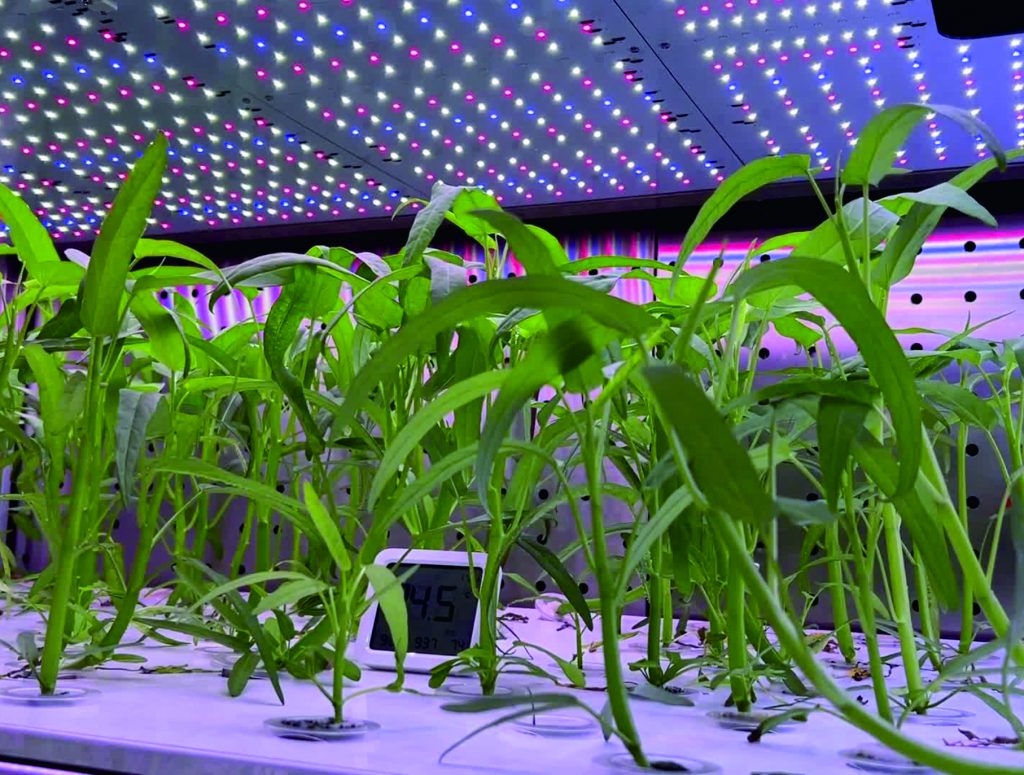
Some Details
Modular System Configuration
Speed Breeding Rooms are built on a standardized modular architecture optimized for high-efficiency breeding operations:
M1 – Environmental Control & Airflow
Stable temperature and humidity control designed to support rapid plant growth and uniform development.
M2 – Lighting & Photoperiod
High-intensity LED lighting system with extended photoperiod control, enabling accelerated photosynthesis and growth cycles.
M3 – Cultivation & Rack Utilization
Standard size of racks with multi-layer configurations to maximize plant density and throughput.
M4 – Monitoring, Logging & Traceability
Real-time environmental monitoring with full data logging for breeding cycle documentation and reproducibility.
M5 – Biosecurity & Containment (Optional)
Optional isolation features for controlled breeding environments.
M6 – Structural & Thermal Envelope
Insulated structure ensuring stable environmental conditions under high lighting loads.
M7 – Power Redundancy & Reliability (Optional)
Backup systems to prevent disruption during critical breeding cycles.
M8 – Scalability & Upgrade Interface
Part of These Solutions
This system is a core component of:
- Speed Breeding & Production-Oriented Research Facilities
- Controlled Environment Solutions for Scientific Research
Installation / Support / Compliance
- Global installation guidance and remote commissioning
- Standardized system design for predictable delivery timelines
- CE / ISO compliant components
- Technical support for breeding workflow integration
- Long-term maintenance and after-sales support
Performance & Throughput Advantages
Speed breeding systems are designed to improve breeding efficiency and output:
- Increase number of plant generations per year
- Reduce breeding cycle duration
- Enable rapid screening of large populations
- Improve consistency of experimental conditions across cycles
- Support multi-location standardized breeding programs