
Abiotic / Biotic Stress Experimentation
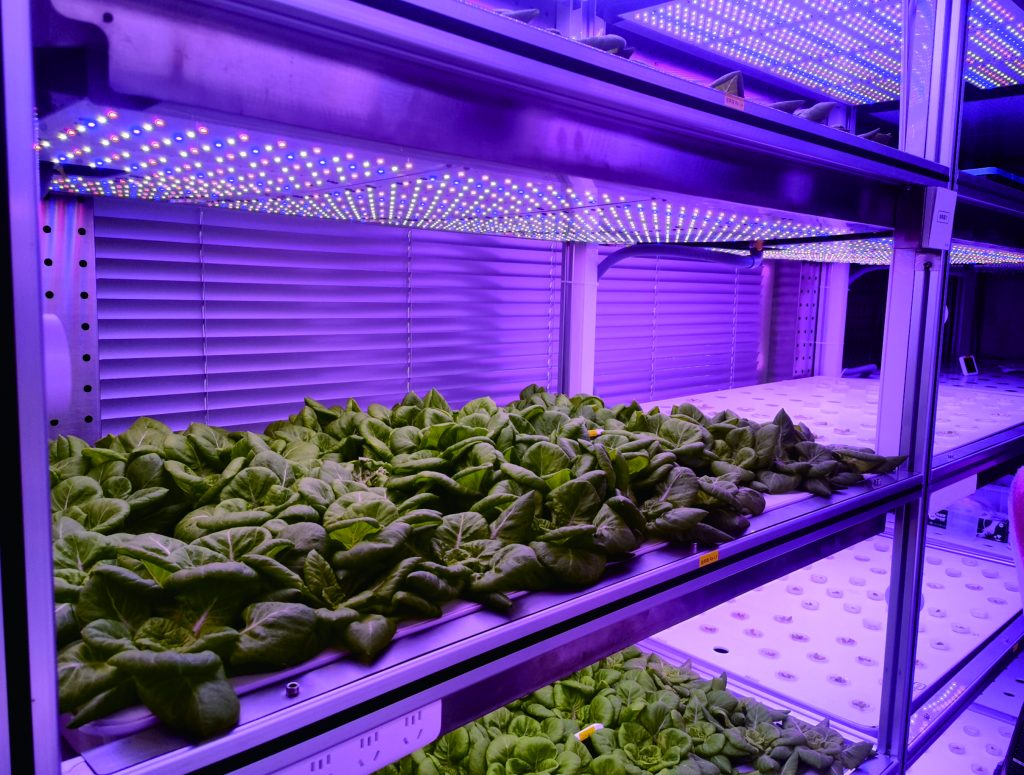
Abiotic and biotic stress experimentation involves exposing plants to precisely controlled environmental challenges such as heat, drought, salinity, extreme humidity, or biological pressure in order to study their physiological and morphological responses. These studies are traditionally conducted in specialized plant stress chambers, where environmental variables can be tightly regulated and repeated. Our walk-in stress simulation rooms provide the same chamber-level precision while offering greater capacity and flexibility for complex experimental setups.
Why Controlled Stress Experimentation Is Essential
Plant responses to stress are highly sensitive to fluctuations in temperature, humidity, light, and air movement. In natural or uncontrolled environments, stress levels vary continuously, making it difficult to reproduce experiments or compare results.
Controlled stress experimentation enables researchers to:
1. Apply consistent and measurable stress levels to plants
2. Study plant adaptation and tolerance mechanisms accurately
3. Compare responses between varieties or treatments under identical conditions
4. Generate reliable data for breeding, physiology, and environmental research
Such precision is critical for meaningful stress response analysis.
How Stress Experiments Are Conducted
In stress experimentation, environmental parameters are deliberately adjusted beyond optimal growth conditions to create defined stress scenarios. Temperature, humidity, light intensity, or soil moisture conditions are programmed and maintained for specific durations to induce measurable stress responses.
Because these conditions remain stable throughout the experiment, observed plant responses can be confidently attributed to the intended stress factor.
Typical Research and Testing Scenarios
Controlled stress experimentation is widely used for:
Heat and drought tolerance studies in breeding programs
Salinity and nutrient stress response research
Evaluation of crop resilience to climate change conditions
Study of plant physiological responses under extreme environments
Interaction studies between environmental stress and plant development
These scenarios require both environmental precision and experimental repeatability.
Some Details
Effective stress experimentation environments typically regulate:
Effective plant disease testing environments typically regulate:
- High or low temperature ranges beyond optimal growth levels
- Humidity and vapor pressure deficit (VPD)
- Light intensity and photoperiod adjustments
- Soil or substrate moisture conditions
- Air circulation for uniform stress exposure
Such control ensures consistent stress application across all test plants.
Facilities Commonly Used
Abiotic and biotic stress experimentation is commonly conducted using:
- Stress Simulation Research Rooms designed for programmable environmental control
These facilities allow researchers to configure precise stress conditions for different experimental objectives.
From Stress Response to Resilient Crop Development
Understanding plant responses to environmental stress is essential for developing resilient crop varieties and improving agricultural sustainability. Controlled stress experimentation provides the reliable data needed to support breeding, physiological research, and climate adaptation strategies.
Well-designed stress simulation facilities enable researchers to conduct advanced stress studies with accuracy and confidence.