
Speed Breeding & Genetic Improvement Applications
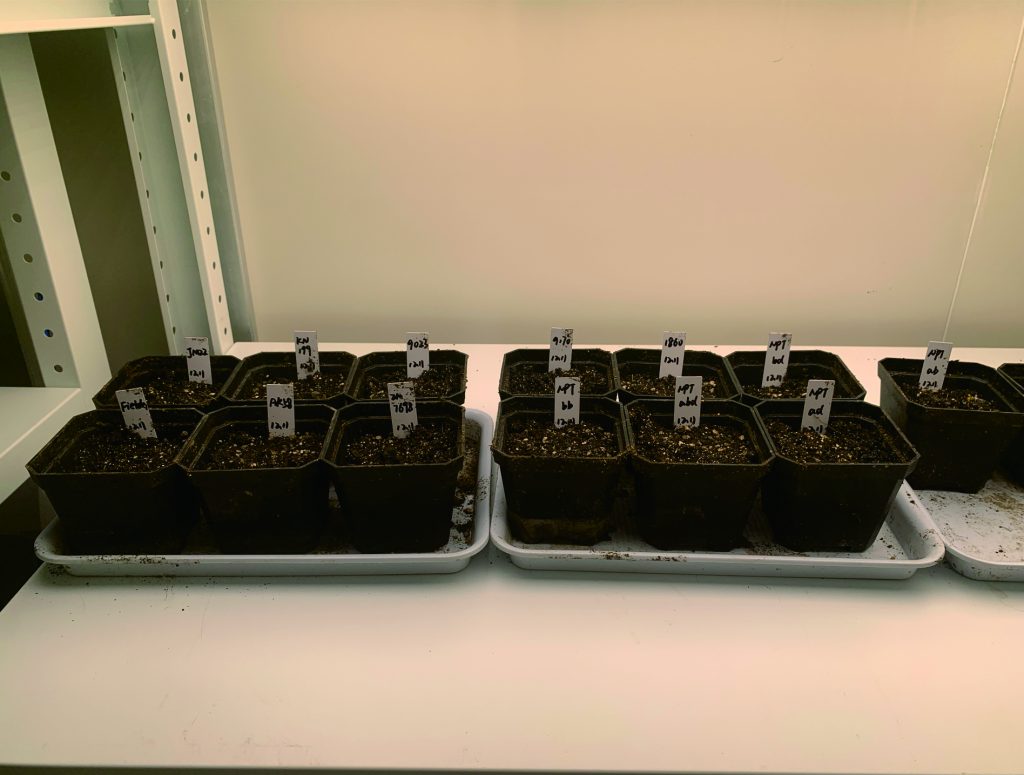
Traditional crop breeding programs are often limited by long generation cycles and seasonal constraints. These experiments are typically conducted in speed breeding chambers, where light, temperature, and photoperiod are precisely controlled. Our walk-in speed breeding rooms provide the same chamber-level environmental precision, but at a larger scale suitable for high-throughput breeding programs.
Why Speed Breeding Is Transforming Modern Crop Improvement
In conventional breeding programs, advancing one generation may take several months and is often restricted by natural growing seasons. Speed breeding removes these limitations by creating continuous, high-intensity growth environments that promote rapid development and early flowering.
This approach enables:
1. Faster generation turnover for selection and crossing
2. Reduced time from initial cross to stable line development
3. Increased breeding efficiency for both staple and specialty crops
4. Year-round breeding independent of external climate
As a result, speed breeding has become a core strategy in modern genetic improvement programs.
How Speed Breeding Works in Controlled Environments
Speed breeding relies on precise environmental control to push plant development without compromising viability. Key strategies include:
This approach enables:
1. Extended photoperiods to stimulate rapid vegetative growth
2. Optimized light intensity and spectrum to support photosynthesis
3. Carefully managed temperature regimes to promote early flowering
4. Stable humidity and air circulation to reduce physiological stress
Controlled environments ensure these parameters remain consistent across breeding cycles, allowing results to be replicated and scaled.
Typical Applications and Breeding Scenarios
Speed breeding applications are widely used for:
apid generation advancement in breeding populations
Early-stage selection and phenotype screening
Accelerated development of homozygous lines
Genetic improvement programs targeting yield, quality, or stress tolerance
Research programs combining breeding with molecular or phenotypic analysis

Some Details
Environmental Conditions Required for Speed Breeding
Effective speed breeding environments typically involve control over:
- Photoperiod length and light intensity
- Light spectrum optimized for growth and flowering
- Day and night temperature cycles
- Relative humidity and airflow stability
The ability to fine-tune these parameters enables breeders to balance speed with plant health and reproductive success.
Facilities Commonly Used
Speed breeding and genetic improvement programs are commonly implemented using:
- Dedicated Speed Breeding Rooms or Facilities
- Walk-In Plant Growth Rooms configured for extended photoperiods
- Seed Germination Rooms or Growth Chambers for early-stage development
Facility design is often tailored to crop species, breeding scale, and targeted generation timelines.
From Breeding Goals to Facility Configuration
Designing an effective speed breeding facility begins with defining breeding objectives and desired generation turnover. Environmental precision, operational stability, and flexibility for different crop types are key factors in translating breeding goals into a practical controlled environment system.
Well-designed speed breeding facilities enable consistent performance across breeding cycles and support long-term genetic improvement strategies.